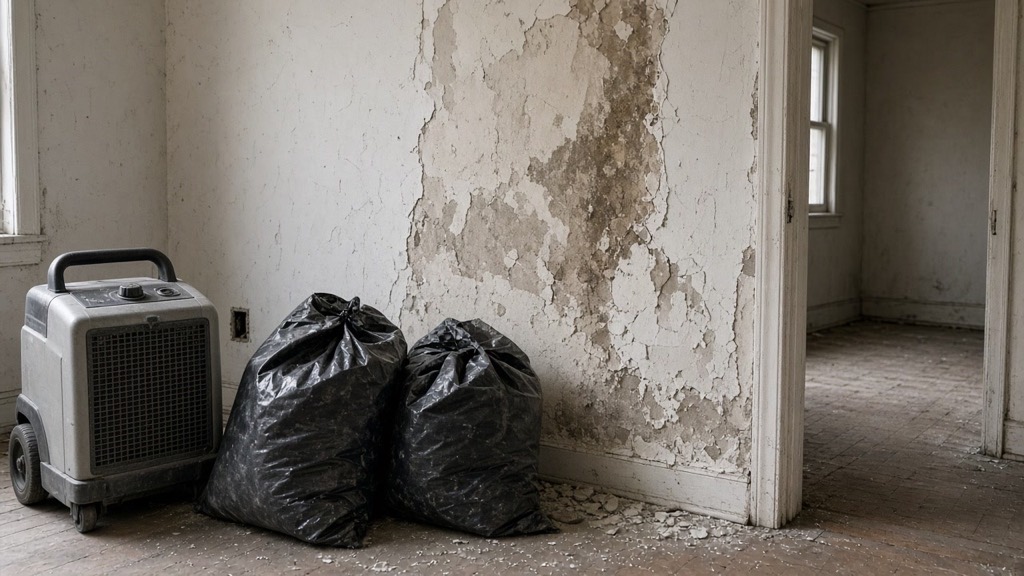
Mold remediation in Riverdale: towers, co-ops and hillside houses
The remediation company works from the assessor's plan, with containment suited to an occupied tower or a single house.
Signs this job fits a building in Riverdale
A tower with occupied apartments around the work
With nearly seven in ten units in buildings of ten or more apartments, containment and occupant notice are part of the work.
A managing agent wants to use building staff
On mold over ten square feet in a building of ten or more units, the city bars the owner, the managing agent and their staff from the work, so building staff cannot take it on.
A resident owner of a one or two unit house
A house owner who lives there is in a different position from a tower landlord, and the state's owner exemption is written for that situation.
The assessor's plan names a larger area
Over ten square feet, the job is a mold project in the state's terms and calls for licensed work.
Common questions
What happens after the cleanup in a Riverdale tower?
The assessor returns for a post-work assessment and writes a passed clearance report if the cleanup succeeded. In a covered building that assessment is filed with the city inside seven days of completion.
May a house owner clean up their own mold?
Yes, on their own residential property: section 933 leaves a resident owner's own work there outside the license requirement. Hiring anyone else to do the job makes it a licensed one.
Mold Cleanup in Riverdale
The age of the buildings in 10471 shapes the work. The median building dates to 1959, and 90.3 percent of units predate 1980, so the plan has to allow for what opening up older walls and finishes will turn up. Cleanup lasts only when the water source is repaired alongside it.
In a tower the practical questions are access and notice: which stack runs through the affected rooms, which neighbors share it, and where equipment can stand without blocking a corridor. Ask the managing agent whether the building's own rules call for notice before the work date is set. On a covered building the remediation firm also files its work plan with the city at least two business days before starting, and the assessor files afterwards.
A resident owner of a house is treated differently. State law leaves a resident owner's own work on their own residential property outside the license rules, and the EPA treats a patch smaller than about three feet by three as something a homeowner can usually tackle. For anything bigger, or any job done for someone else, the licensed route applies, and the assessor's clearance is the proof the work is complete.
On mold over ten square feet in a Riverdale building of ten or more apartments, the owner may not do the work and the remediator files with the city at least two business days before starting. Source: American Community Survey 2020 to 2024 5-year estimates, US Census Bureau, Local Law 61 of 2018, The City of New York, New York State Senate, U.S. Environmental Protection Agency